

Biographical Record
Peregrine Hartley Wainwright
Born 1851 · Died (unknown)
Occupation: Coleopterist
Active Regions: Mauritius, Indonesia, Australia, Southern Asia
Cause of Death Following the Mauritius expedition, Wainwright's correspondence with the Society ceased abruptly in 1899. Despite repeated inquiries, no further communication was ever received. He is presumed to have died sometime thereafter, though the circumstances remain unrecorded.
___
P.H. Wainwright was a field naturalist of the southern latitudes whose first and most enduring loyalty was to beetles. The son of a saddler and a schoolmistress, he was raised half out of doors and proved to have a gift with living things that unsettled the people around him. He could hold what bit other men, call and calm animals, instinctively know which plants were edible or dangerous. His ease with nature paired with a temper reserved almost entirely for anyone who handled a creature carelessly. His education was largely his own doing: some zoology at the University of Melbourne, never finished; an apprenticeship at a colonial museum preparing and cataloguing specimens, which taught him how a collection is kept and how easily an inconvenient label can be revised; and a season among the great collections of England, from which he returned with better technique and a permanently lowered opinion of institutions.
He spent the better part of three decades in the field — Tasmania, the New Zealand fiordland, the Dutch East Indies, southern India and Ceylon — building a modest reputation as a man who would go anywhere unpleasant and return with better specimens than anyone expected, accompanied by opinions no one had asked for. He published the catalogue that made his name and a steady stream of official reports that were, by his own admission, faithful in structure rather than in substance; the substance he kept in the margins of his own copy, where a curator could not alter it. He married Eleanor in the late 1870s, but she died of fever in Batavia not long after. He was decorated by the Dutch colonial government for his assistance after the Krakatoa eruption in 1883.
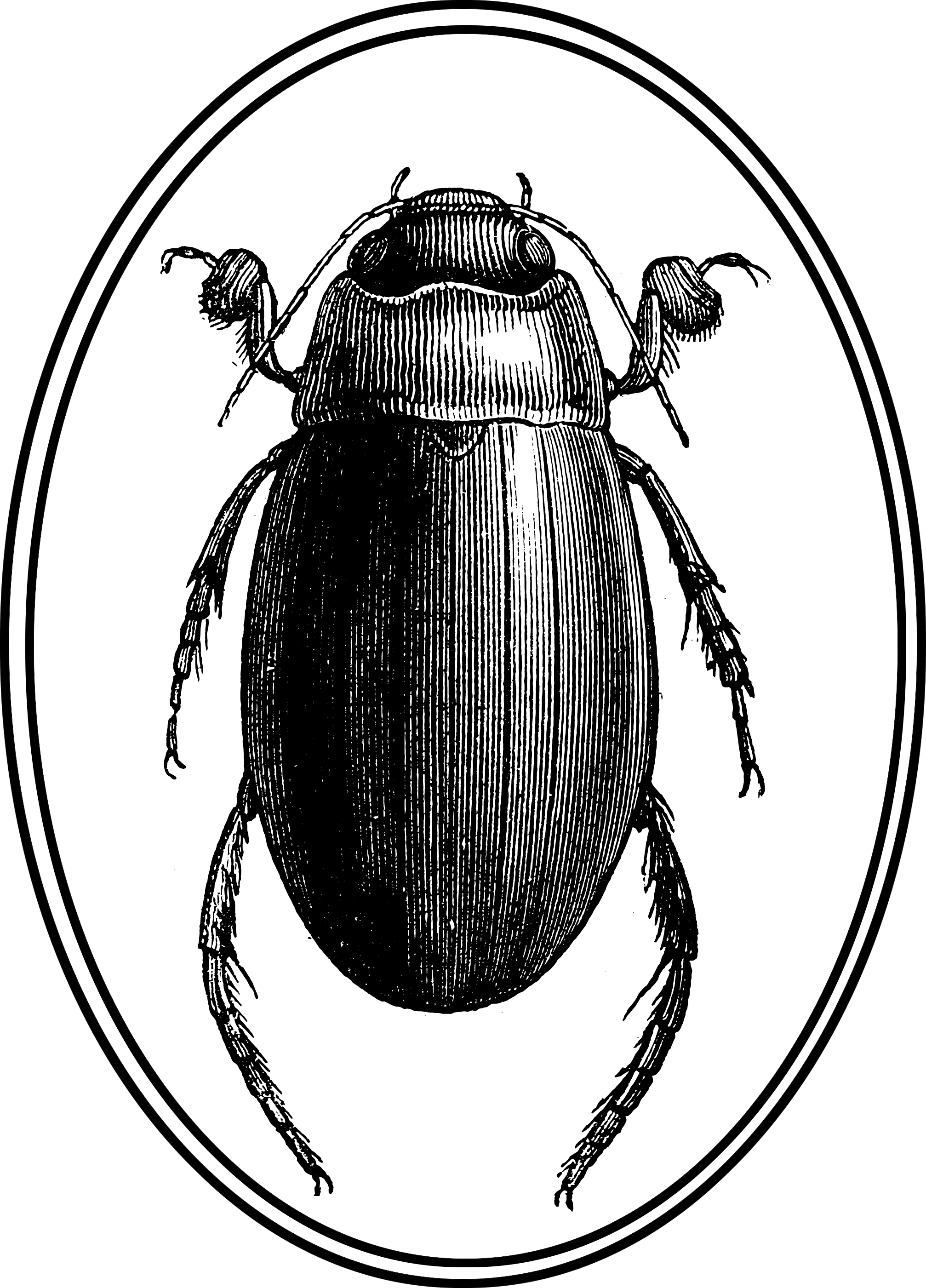
His most noted expedition was to Mauritius in 1893 — the recovery still filed under disputed circumstances and known to some as the Wainwright Acquisition. But among those who worked with him, Wainwright was remembered less for any single find than for the manner of all of them: an exacting and frequently abrasive presence in the field, fastidious about his labels and openly contemptuous of anyone who collected for trophy or vanity rather than knowledge. Those who knew him recall his ever-present brass lens and over-mended notebook, but, most inexplicably, the single beetle he kept in a glass vial and would not discuss, save to say that it kept him humble.
Timeline
1851 — born, Colony of Victoria, Australia.
~1868 (age 17) — first expedition: Tasmanian interior, as the junior man whose job is to carry, kill, pin, and shut up. He does not shut up. First taste of islands and of evidence that contradicts the official account.
early 1870s — museum apprenticeship (specimen prep + cataloguing); learns how a record is kept and how easily a curator can quietly revise an inconvenient label. Season in England among the great collections; returns with better technique and a permanently lowered opinion of institutions. Some zoology/anatomy at the University of Melbourne, never finished.
~1875 — publishes the monograph that makes his small name: a provisional catalogue of southern-latitude Coleoptera. Dry, exact, funny in the footnotes if you knew him.
~1877 (age 26) — publishes a paper documenting a finding that doesn't fit. Pressured by the institution, he revises it. The original stands in the published record long enough to be seen. THE HINGE: a man who once let the record be tidied, and decided he never would again.
1878 (age 27) — A. Merrick Ashby founds the Society for Improbable Discoveries. Ashby had read Wainwright's paper as first published, then learned it had been quietly amended — and recognized the man. Wainwright joins as a founding member.
late 1870s–early 1880s — major fieldwork: NZ South Island / fiordland, Dutch East Indies, western Pacific, southern India & Ceylon. Now embedded in official expeditions while redirecting the inconvenient findings to the Society's counter-archive. The margins-method is founding doctrine, not improvisation.
married Eleanor (botanical illustrator) in this period; she travels with him.
early 1880s — Eleanor dies of fever in Batavia. He never remarries. No children.
1883 (32) — Krakatoa. He was close enough to be useful and stubborn enough to stay; works among survivors for weeks but oddly there are no records of what he was doing. Honoured by the Dutch colonial government for services rendered. Almost never speaks of it. The one thing he'd say: the sound was the only thing that ever frightened him.
1893 (42) — the Mauritius Rediscovery [WE0] The masterwork of a method practiced for fifteen years.
Curriculum Vitae
Education
· University of Melbourne — zoology & comparative anatomy. Attended; not completed (early 1870s).
· Apprenticeship, specimen preparation & cataloguing, colonial museum (~2 years). Where he learned how a collection is kept — and how easily a record is revised.
· Study season, natural-history collections of England (early 1870s).
Field Expeditions (known, possibly incomplete)
· 1868 — Tasmanian interior. Junior collector. (First expedition.)
· early–mid 1870s — southern Australian coast and the Alps.
· mid 1870s — South Island of New Zealand; fiordland. Endemic insects and birds.
· late 1870s–early 1880s — Dutch East Indies and the western Pacific. Island Coleoptera.
· early 1880s — southern India and Ceylon.
· 1883 — Sunda Strait. Present during and after the eruption of Krakatoa; relief work among survivors.
· 1893 — Mauritius, the Leeward Marshlands. Recovery of Raphus cucullatus remains under disputed circumstances. [WE0 — the Wainwright Rediscovery]
Discoveries & Contributions
· Numerous southern-latitude beetle specimens; several first descriptions to his name.
· A body of field documentation whose official record and private marginalia do not always agree.
· One specimen, recovered in the field, never catalogued and never explained — retained on his person.
Publications
· A Provisional Catalogue of the Coleoptera of the Southern Latitudes, with Notes on Distribution and Disposition (~1875).
· Official field reports and short papers for various funding institutions — "faithful in structure, not in substance."
· A paper (~1877), withdrawn and revised under institutional pressure. Subject not recorded.
Honours & Affiliations
· Honoured by the Dutch colonial government (1883/84) for services rendered following Krakatoa.
· Founding member, The Society for Improbable Discoveries (1878).
SCANNED
SCANNED
PERSONAL MARK, digitized by Archivist